Dating again after losing your partner

Meet local people at your own pace, with practical guidance for dating after bereavement.

You create a profile, reach the box marked relationship status, and stop. Writing “widowed” takes seconds. Deciding whether you are ready to be seen as someone who dates can take much longer.

That hesitation is normal. Dating after the death of a spouse is not the same as dating after a break-up, although people sometimes speak as if it is. There may be love, grief, loyalty, relief, loneliness and curiosity sitting side by side. None cancels out the others.

When is a widower ready to date again?

A widower may be ready to date when interest in another person feels genuine, rather than like an urgent attempt to silence grief or satisfy someone else’s timetable.

There is no respectable waiting period. Six months may be far too soon for one person and right for another; several years can pass without removing every doubt. The useful question is not “Has enough time passed?” but “Can I treat another person as themselves, rather than as a replacement, distraction or unpaid grief counsellor?”

Readiness can also be uneven. You might enjoy exchanging messages yet feel unsettled by physical affection, or look forward to coffee and then feel guilty afterwards. That does not automatically mean you should stop. It may mean you need a slower pace and a person who can hear an honest answer without turning it into a drama.
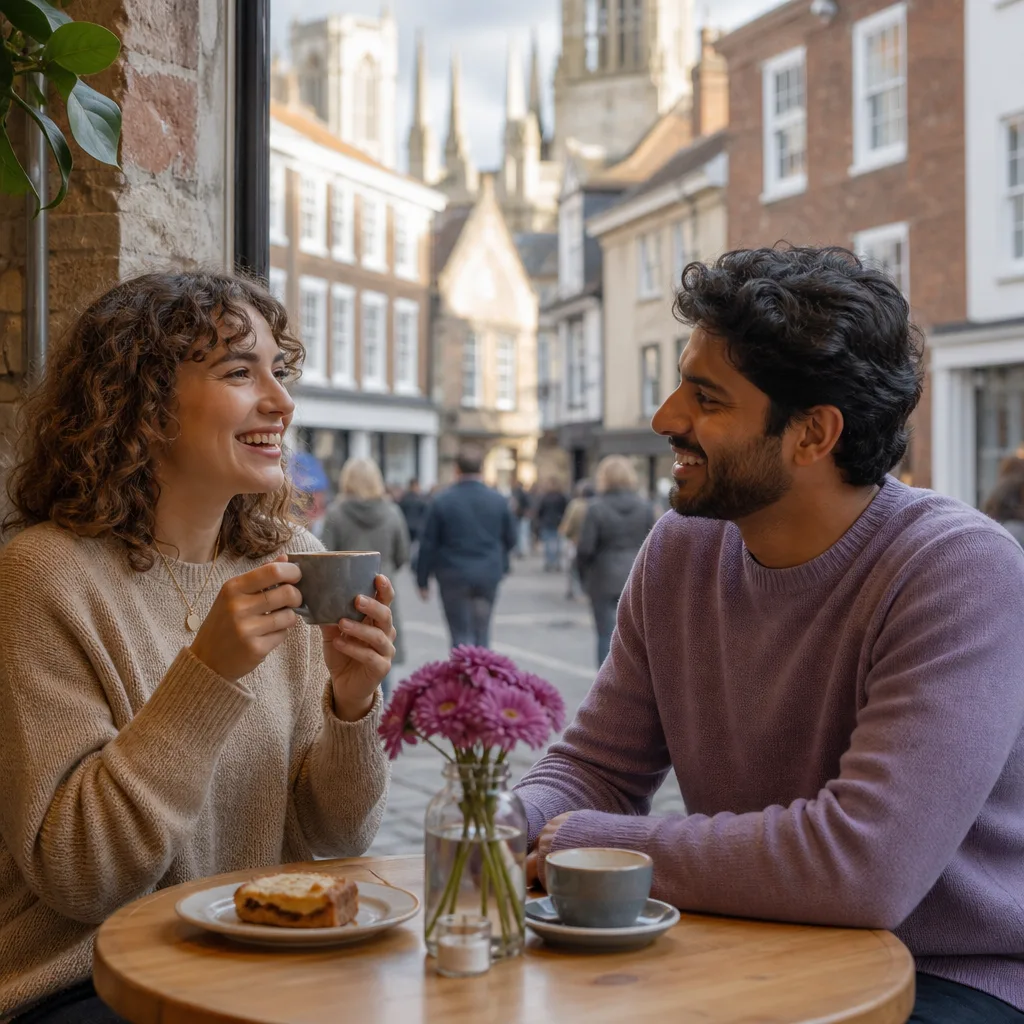
Widower writing a dating profile at a kitchen table

A useful dating profile does not need to explain the hardest chapter of your life. It needs to give another person enough information to understand who you are now and what meeting you might actually be like.

Should I say that I am widowed on my dating profile?

Yes, if you feel able, because stating that you are widowed gives clear context without requiring you to publish private details about your spouse or bereavement.

Keep it simple. “Widowed and ready to meet someone locally” is enough. You can add what fills your week now: work, family, cycling, theatre, cooking, allotment mishaps or Sunday walks. A profile made entirely from loss leaves little room for a new person to find you.

  • Say what you want. Mention whether you are looking for conversation, companionship, dates or a committed relationship, while accepting that nobody can promise the outcome at the start.
  • Use recent photographs. Choose clear pictures that look like you today. A wedding photograph with your spouse cropped out may carry meaning for you, but it can feel uncomfortable to someone viewing your profile.
  • Protect private details. Do not include your home address, daily routine, employer, financial position or the full circumstances of your bereavement.
  • Keep your spouse’s story yours. You are entitled to mention them, but dates, medical details and family history do not belong in a public profile.

Some people will ask clumsy questions. Others will avoid the subject because they are frightened of saying the wrong thing. Neither response tells you everything about their character. What matters is whether they listen when you set a boundary.

Profile tip: Read your description aloud. If it sounds like an obituary, add two ordinary details about your present life and one thing you would enjoy doing with somebody else.

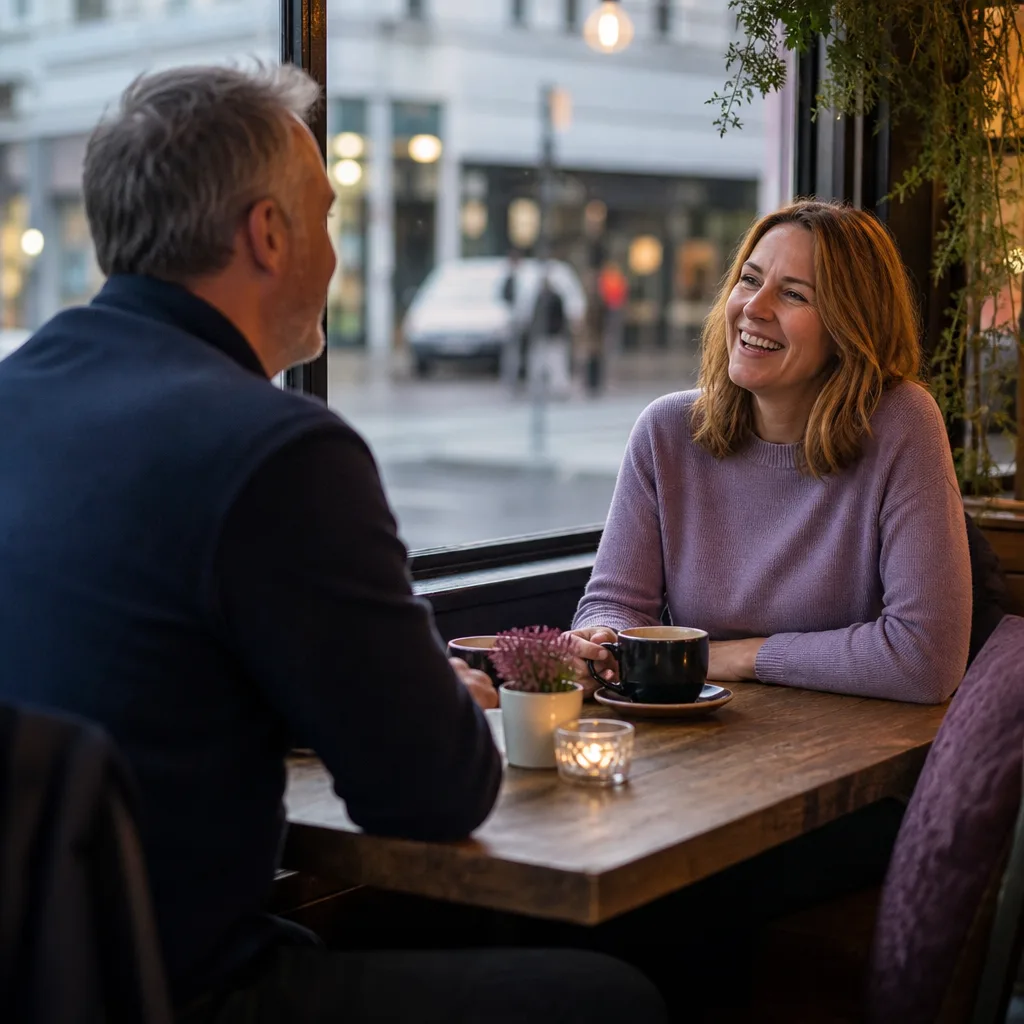
Two adults talking over coffee at a quiet table in York

The words “widower dating site” can suggest that a specialist service is automatically the safest or most understanding choice. In reality, it depends on membership, moderation, cost and distance. A compassionate national community is of limited use if every plausible date lives two counties away.

Is a specialist widower dating site better than a local dating site?

A specialist site may offer shared understanding, while a local dating site can make it easier to meet nearby and build a relationship that fits ordinary life.

The catch is that a label does not guarantee empathy. Someone can have experienced bereavement and still be impatient, dishonest or simply wrong for you. Equally, a divorced or never-married person may understand that your previous marriage remains part of your life.

For people in York, distance matters. The city is compact, so a first coffee does not need to become a day trip. Our York singles page focuses on people in the city rather than treating the whole of Yorkshire as one dating pool.

OptionMain advantageQuestion to ask
Widower-focused siteMembers may recognise bereavement-related concernsAre there active members near York?
Local dating siteShorter journeys make ordinary meetings easierCan I control who sees and contacts me?
Large national appA broad range of profilesCan the distance settings be trusted and narrowed?
Social or activity groupConversation develops around a shared interestAm I comfortable if dating is not everyone’s purpose?

Before paying, read the current price, billing period, renewal terms and cancellation route on the payment screen. Take a screenshot. A free profile often means you can register and look around, but messaging may require payment; “free” should never be assumed to mean every feature costs nothing. You can also begin with a free singles profile and decide whether the local pool feels relevant before considering paid options.

How can widowers avoid dating scams?

Stay on the site while trust develops, verify that the person is real and never send money, account details or financial documents to somebody you have met through dating.

Romance scammers often work by acceleration. Affection arrives very quickly, followed by an emergency, an investment opportunity or a reason they cannot meet. Bereavement may also be used as a shortcut to intimacy: “I understand your pain” is not proof of identity.

Stop if money enters the conversation. Do not transfer funds, buy gift cards, receive money on someone’s behalf or share banking security codes. A genuine romantic prospect does not need you to solve a sudden financial crisis.

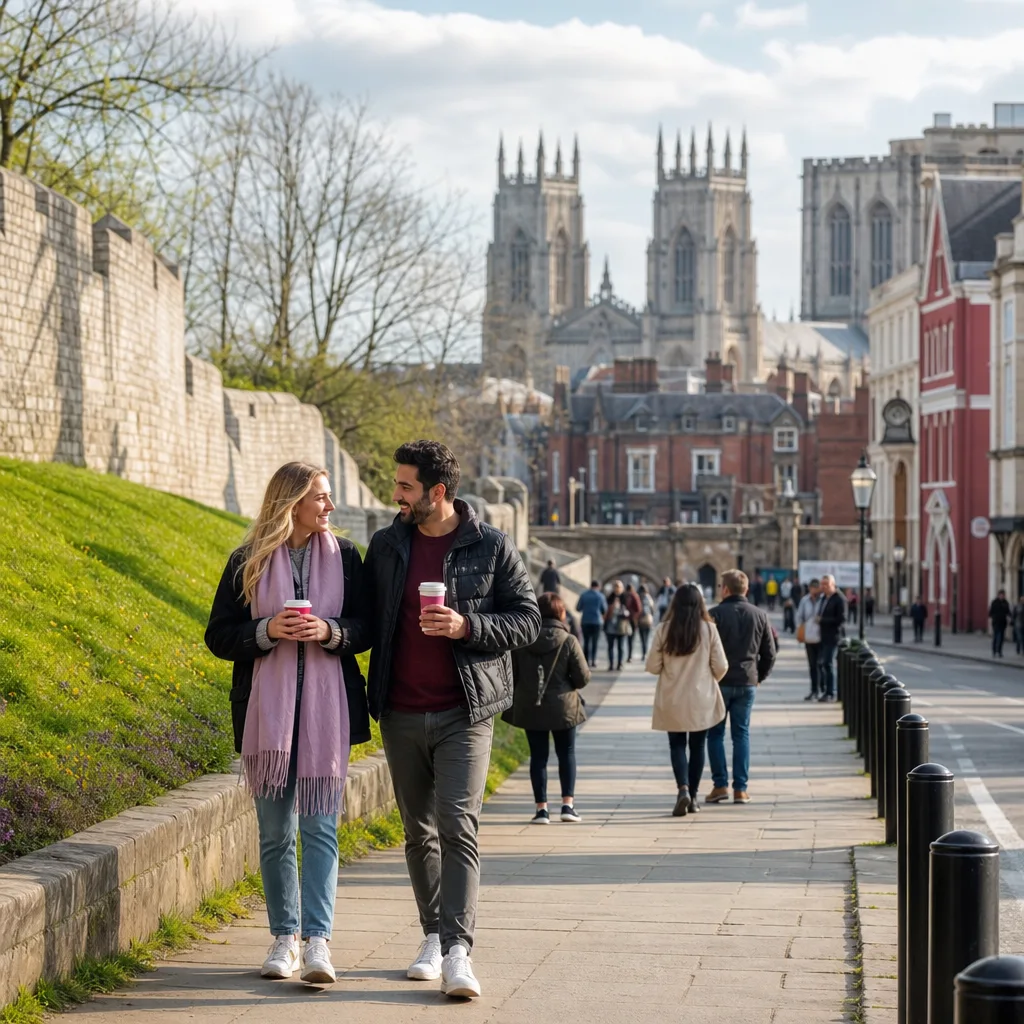
Two people meeting beside the entrance to York Museum Gardens

The first meeting is not an audition for the rest of your life. It is a short check of three things: do you feel safe, can you talk comfortably, and would you choose to meet again?

How do you arrange a first date after bereavement?

Choose a short daytime meeting in a familiar public place, make your own travel arrangements and tell someone where you will be.

  1. Verify first. Exchange a few messages and have a brief phone or video call if that helps confirm the person resembles their profile.
  2. Choose neutral ground. Meet somewhere public rather than at either home, and avoid sharing your address for lifts.
  3. Set a natural finish. Coffee or a walk can last 45 minutes or continue if both people are comfortable; an elaborate meal is harder to leave.
  4. Tell a trusted person. Share the name, location and expected finish time, then check in afterwards.
  5. Reflect without rushing. Ask whether you enjoyed this person’s company, not whether the date felt like your marriage once did.

In central York, York Museum Gardens offers a recognisable public meeting point close to the railway station and city centre, with paths and benches for a daytime walk. Check its current opening times before arranging to meet. On a busy Saturday, the streets around the Shambles can be crowded with visitors, so a quieter weekday coffee or a meeting away from the tourist centre may make conversation easier.

Your spouse may come up. That is all right. You do not need to remove a wedding ring on anyone else’s schedule, hide photographs before a first visitor, or pretend an important marriage never happened. But the new person also needs room. If every story becomes a comparison, pause and notice it.

A good first date does not erase the past. It shows whether there is space for another person in the present.

Dating again can feel hopeful one morning and disloyal by evening. Grief is not a straight road, and neither is confidence. Go slowly enough to notice what you want, but do not mistake nerves for evidence that you are doing something wrong.

What if I change my mind after joining?

You can pause, step back or end a conversation at any point, because creating a profile is not a promise to continue dating.

Be kind and direct. “I have realised I am not ready to meet” is sufficient; you do not owe a stranger your entire emotional history. If one meeting feels wrong, that may be about the person rather than dating itself. If every exchange leaves you distressed, a break may be useful.

When you are ready, look for steadiness rather than grand declarations: consistent messages, respect for boundaries, realistic plans and a willingness to meet locally. Browse single people in York, take your time, and let the next step be small.

Frequently asked questions

Is it normal for a widower to feel guilty about dating?

Yes. Enjoying someone’s company can bring guilt even when you know your spouse cannot be replaced. The feeling does not mean you are betraying your marriage. Slow down, name what you are feeling and speak with someone you trust if the guilt becomes overwhelming.

How much should a widower talk about his late spouse on a date?

There is no fixed amount. Honest, occasional references are natural because your marriage is part of your life. Try to answer questions without letting the whole meeting become a bereavement conversation, and show equal curiosity about the person in front of you.

Can I join a dating site before I feel completely confident?

Yes. Confidence often returns through small steps rather than before them. You can create a profile, look at local members and exchange messages without agreeing to meet. Check the site’s privacy, payment, renewal and cancellation settings first.

Meet local people when the time feels right

Create a profile, browse York singles and decide your own pace.

Join York singles